Leave Your Message
You know, the progress in Lighting Glass technology really has flipped the script on how we think about modern lighting. It’s like a perfect mix of style and practicality. If you’ve been keeping an eye on industry news, you’ll see that the global market for specialty lighting glass is expected to grow quite a bit. This growth is mainly fueled by all these cool new uses in things like consumer gadgets, cars, and building designs. And honestly, Dongguan Fuxin Glass Tech has been leading this charge for over ten years. They focus on all kinds of display glasses—AG, AR, AF, AM—and put a lot of effort into R&D to make their lighting solutions more versatile and efficient. As the industry keeps expanding, it’s clear that innovations with lighting glass are going to play a huge role in shaping the future of lighting technologies and applications. It’s pretty exciting stuff!
The story of how lighting glass has evolved is honestly pretty fascinating — it totally mirrors how technology, in general, has advanced over the years. I mean, we started off with simple glass diffusers that just kind of did the job, and now, we’re looking at these insanely intricate and sophisticated glass designs in modern LED lights. It’s amazing how these innovations have completely changed the way we experience lighting in our homes, streets, and workplaces.
Back in the day, traditional glass was mostly just there to serve a basic purpose — mainly protecting the light source. But today, designers are pushing the boundaries, incorporating all sorts of tech to boost efficiency, style, and usability. Now, lighting can be tailored to fit exactly what you need, whether that’s cozy ambiance or bright task lighting.
These days, modern lighting glass features cutting-edge materials and finishes that not only do a better job spreading light but also help save energy. And with smart lighting tech becoming more common, the glass itself is often designed to work seamlessly with digital controls, giving us way more control over lighting at home or in cities. As places like Shanghai become real hubs for innovation, the role of lighting glass is just expanding — think better architecture, smarter cars, and totally connected homes. It’s honestly changing how we see and use light every single day, in ways we couldn’t have imagined before.
| Innovation Type | Description | Application Area | Benefits |
|---|---|---|---|
| Smart Glass | Glass that can change its opacity or transparency based on environmental conditions | Commercial and Residential Buildings | Energy efficiency, privacy control, UV protection |
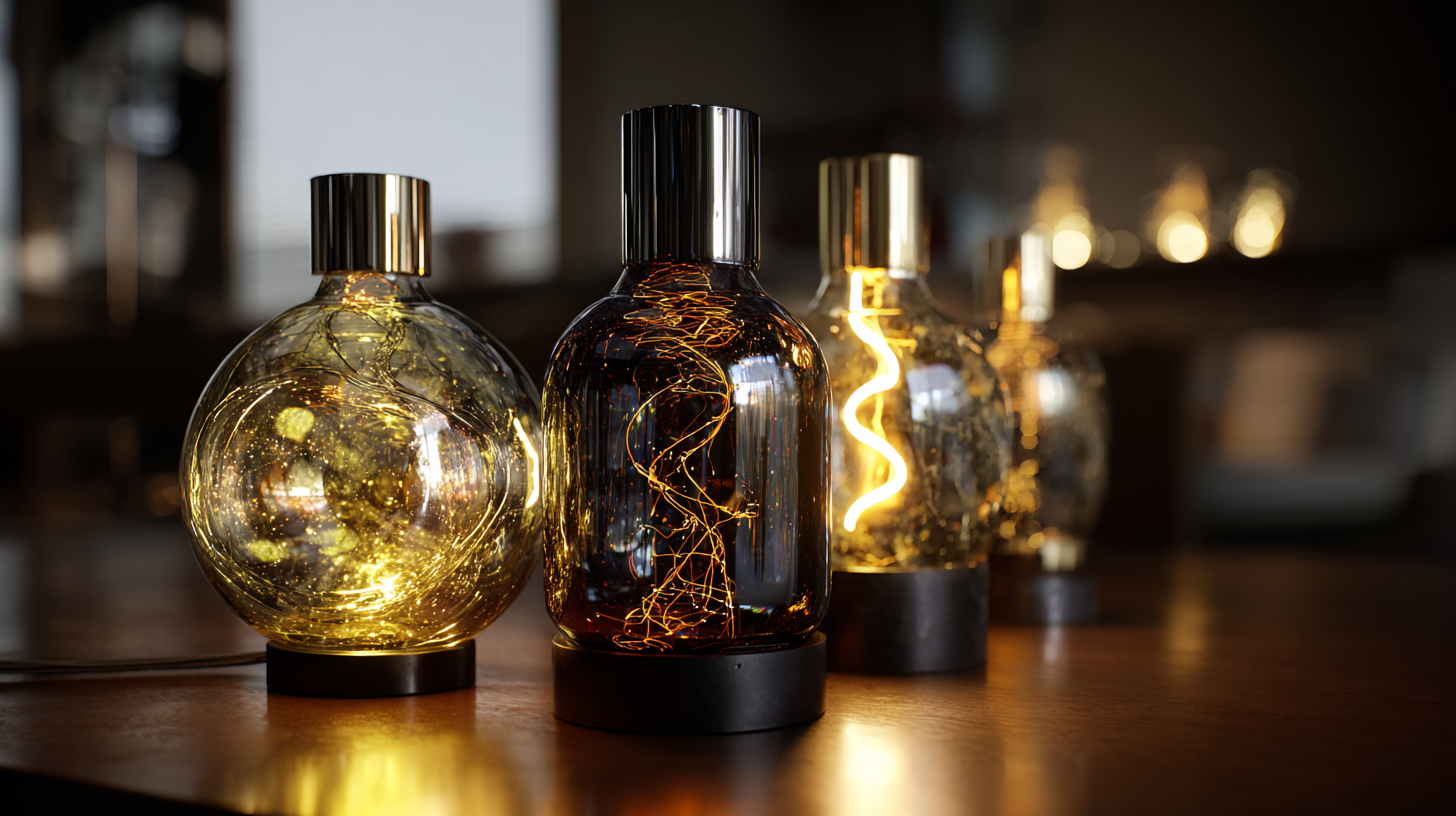
| LED-integrated Glass | Glass panels embedded with LED lighting for aesthetic and functional purposes | Architecture, Retail Displays | Versatile lighting design, customizable colors, low energy consumption |
| Frosted Glass | Glass that has a translucent, frosted surface to diffuse light | Residential Interiors, Offices | Soft lighting, privacy enhancement, stylish aesthetics |
| Art Glass | Handcrafted glass that incorporates artistic designs and colors | Decorative Lighting, Art Installations | Visual appeal, unique designs, enhances ambiance |
| Solar Control Glass | Glass that regulates solar heat gain while allowing natural light | Energy-efficient Buildings | Reduced cooling costs, improved comfort, sustainable design |
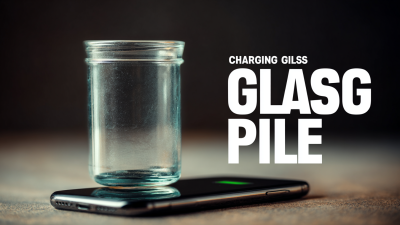
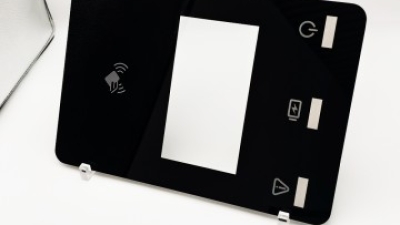
The innovation in electric vehicle (EV) infrastructure is spearheaded by advancements in design and material quality, particularly evident in the development of custom cover glass for charging piles. The introduction of a 15-inch cover glass, crafted with a slim profile of just 0.35mm, serves as a perfect example of this trend. This ultra-thin design not only enhances the aesthetic appeal of EV charging stations but also ensures that the structural integrity and impact resistance remain uncompromised. The cover glass features precision-applied black silk screen printing that provides an opaque finish, effectively concealing internal components while maintaining clear visibility for back-lit indicators.
Constructed from high-strength, chemically strengthened glass, this custom cover glass offers superior durability against everyday wear and the harsh environmental conditions faced by outdoor charging stations. Its resilience to scratches and other forms of damage enhances the longevity of the charging pile, ultimately improving the user experience. By integrating this sleek and sophisticated protective element, EV charging infrastructure can achieve a modern look while ensuring functionality, resulting in a more appealing and efficient charging solution for electric vehicle users.
: Over 10% of worldwide energy consumption is attributed to lighting as of 2021.
Modern lighting glass solutions can reduce energy consumption by up to 30% compared to traditional glass options.
Switching to LED-integrated glass products can decrease greenhouse gas emissions by up to 1.5 gigatons annually.
Manufacturers address the demand by including recyclable materials and developing long-lasting products that meet rigorous sustainability standards.
The integration of smart technology into lighting glass products, allowing users to control lighting conditions through smartphones or automation systems.
Sustainability will be crucial, with innovations emerging in the use of recycled materials and energy-efficient technologies to minimize environmental impact.
Photovoltaic glass harnesses solar energy while serving as a light source, making it a mainstream solution for greener and more energy-efficient urban environments.
As consumers become more eco-conscious, manufacturers are motivated to develop lighting solutions that are both aesthetically pleasing and sustainable.
Future lighting glass products are expected to incorporate sensors and connectivity features as part of the Internet of Things (IoT).
The confluence of smart technology and sustainability will drive the next wave of innovation in the lighting glass sector.
So, I recently came across an article called "Exploring the Science Behind Lighting Glass: Innovations and Applications in Modern Illumination," and honestly, it was pretty fascinating. It traces how lighting glass has evolved over time—from the more traditional uses we’re all familiar with, to some really cutting-edge innovations that not only look great but also boost functionality in different settings. The piece dives into how light interacts with glass on a physics level, highlighting key materials that have made these advancements possible. I found that part especially interesting because it gives you a real sense of how science fuels these new designs.
Plus, it talks a lot about cool ways lighting glass is being used today, especially in architecture and interior design. These solutions are seriously transforming how spaces look and feel. And what’s even better? The article considers how all this can be done while keeping the environment in mind—sustainable, eco-friendly options and all that.
It doesn’t stop there. The piece also looks into what’s coming next. They’re forecasting some exciting breakthroughs that could really redefine what we expect from lighting technology. Brands like Dongguan Fuxin Glass Technology Co., Ltd., are leading the charge, especially with their innovations in display glass—like their specialized AG glass and AR glass. It’s amazing to see how these advancements keep pushing the limits of both design and usefulness, showing a real commitment to excellence in the glass industry.